



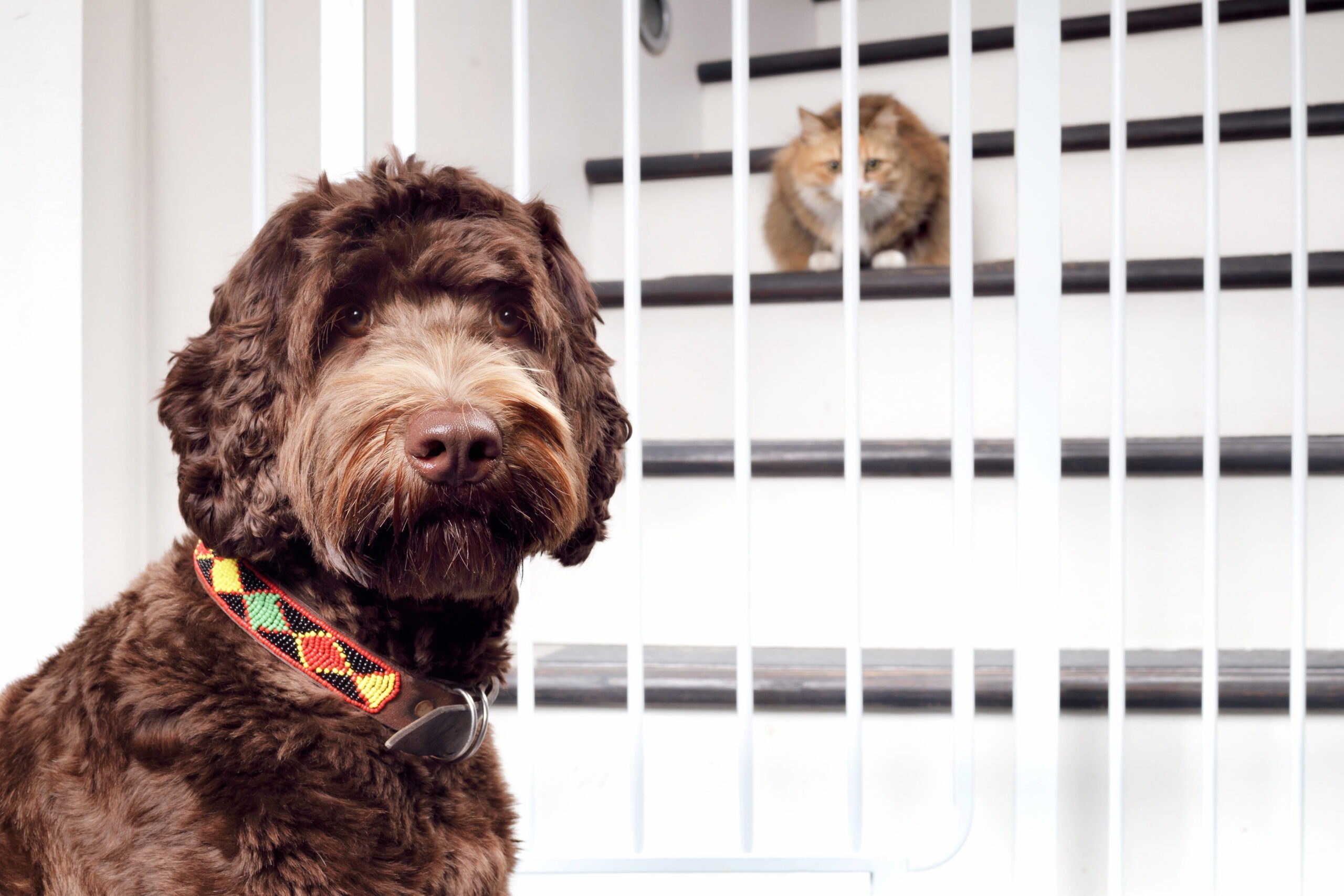
Welcoming a new animal into your family is an exciting time. However, one of the first orders of business is often setting boundaries in the home. Pet parents often experience guilt when they think about crating up their new dog or keeping them behind a confinement gate.
But through the lens of animal science and by understanding how your dog thinks, we can appreciate the importance of these boundaries. All domesticated animals are den creatures. This means they feel safest in a small space that is completely theirs. They can relax without needing to guard an entire household. Gates and crates aren’t used to punish your dog. When used properly, these tools create safe spaces for housetraining education, injury recovery, and keeping your pets safe.
Sometimes even the best pet parent needs a little help. Training an energetic dog or restricting the space of an animal that has just had surgery requires concrete boundaries. From overexcited puppies who don’t know their toys from your shoes to older dogs who need to wear cone collars or have limited mobility, these life-saving tools provide structure in times of chaos. Shift your mindset from keeping your dog inside a box to creating a safe haven they yearn for naturally.
When first bringing your puppy indoors, you should create a routine that allows them to feel comfortable and secure in their space. Here is your ultimate guide to crate training tips:
Place your puppy’s crate in a common area of the house and let them explore it. Encourage them to enter the space by throwing treats inside and placing toys that they enjoy throughout the crate. Keep the door open!
Start feeding your puppy all of their meals at the back of their crate. This creates a very strong natural association between the crate and the feeling of survival.
Close the door while your puppy is eating and open it when they are done. Withhold food and water for short periods if they attempt to exit early. Gradually increase the amount of time the puppy can spend in the crate alone over the course of a few weeks. Start off by stepping out of the room and slowly begin taking longer departures.
Create a schedule that mimics their natural sleeping pattern. Try not to crate your puppy for longer than they’ve been trained to handle without first taking them out to play, go potty, or stretch their legs.
Purchasing different crates as your puppy grows is expensive and creates clutter. What’s more is that puppies often relieve bodily functions in the space they sleep, so having a larger crate will teach your puppy that it’s okay to go potty on one end and sleep on the other. An ideal crate will allow you to adjust the floor space as your puppy grows. This will deter your puppy from soiling the space where they sleep since dogs instinctively avoid bathroom habits where they eat and sleep.
 |
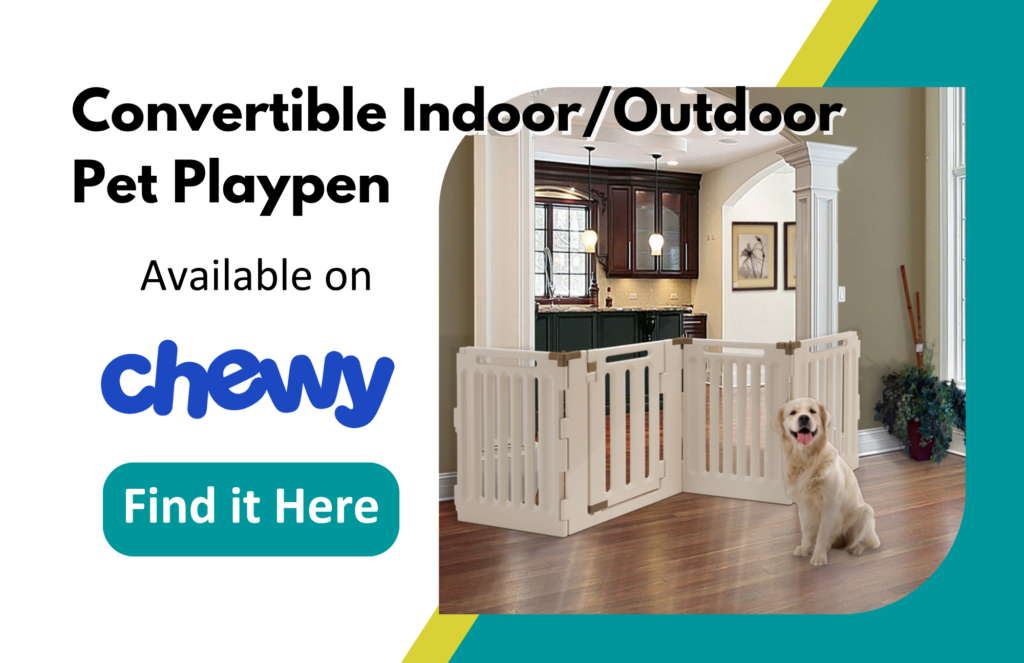 |
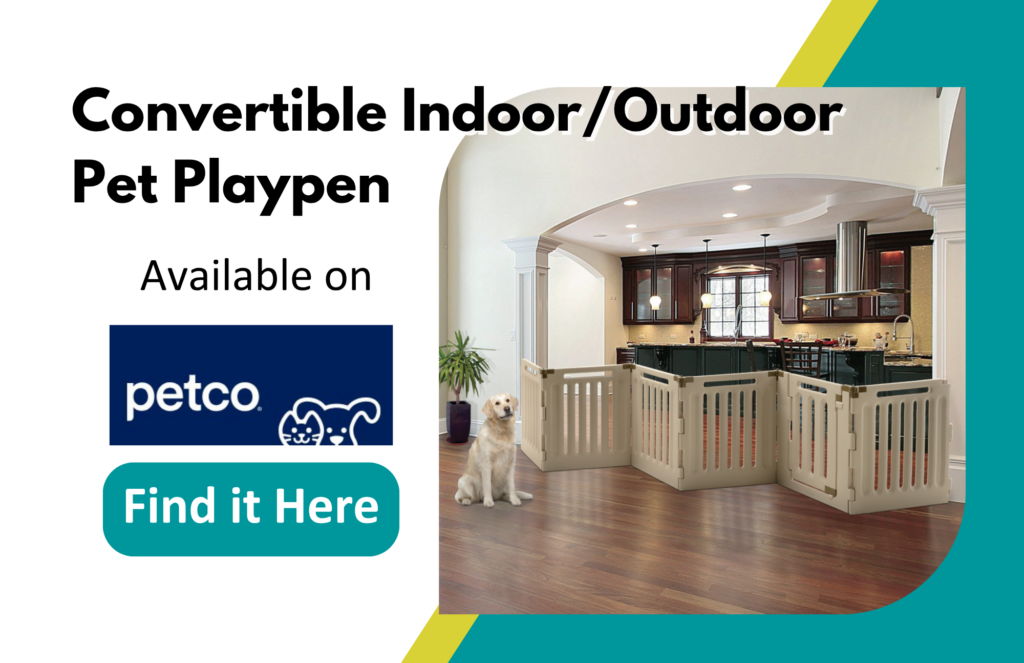
Another common scenario where we need to restrict the space of active pets is when they are hurt or sick. If your dog has just had surgery, you’ll need to create a puppy-proof kitchen to ensure they don’t leap back onto couches or climb stairs before they’re ready. Unlike humans, pets can’t tell how bad their injuries are. They run on instinct and will do whatever feels natural to them. Once pain subsides, your dog may attempt jumping or sprinting around long before they’ve properly healed.
If your dog is confined to crate rest while they recover from an operation, you’ll need to baby-proof your home by restricting their movement. Pad floors with pet-friendly mats to prevent slipping. Lower the lights to a comfortable level and keep them separated from other pets and noise. The more still you can keep your dog, the faster they’ll recover.
If your dog is recovering from surgery, it’s likely you’ll be asked to implement crate rest. Not only will this ensure they aren’t jumping on furniture while they heal, but it will create a safe place they can go to avoid being bothered by children or other pets while they rest. Surgery requires your dog to take it easy. There will be limited physical activity until they’ve made a full recovery. Taking care of your dog’s mental health is just as important as allowing their body to rest.
For some dogs, crate rest while recovering from surgery is required. Major surgeries like repairing a torn cruciate ligament or routine procedures like getting a dog spayed or neutered will require weeks of limited activity. A dedicated barrier will ensure your dog doesn’t tear up stitches just when they’ve started to heal. Internal and external sutures are very vulnerable to being ripped and can cause severe bleeding or infection if compromised. Your pet could tear open their own surgery by clawing around too much or by jumping and breaking a leash during a walk.
Whether you're welcoming a growing puppy into your family, managing recovery from surgery, or simply creating structure in your daily routine, the right gates and crates are non-negotiable. These tools aren't obstacles; they're the foundation of a well-adjusted, confident dog who feels secure in their own home.
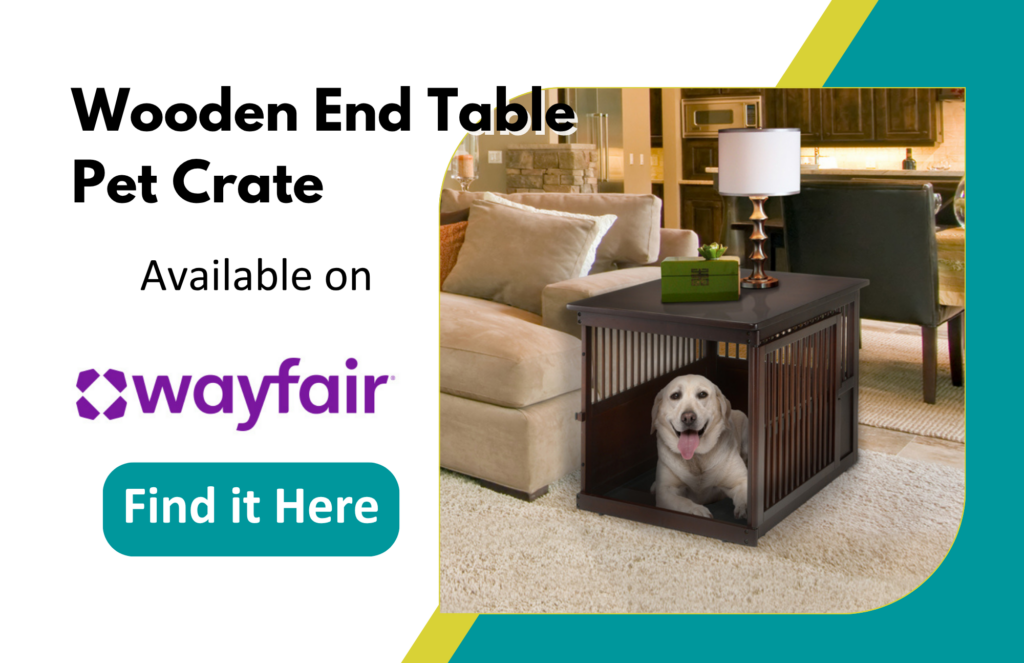
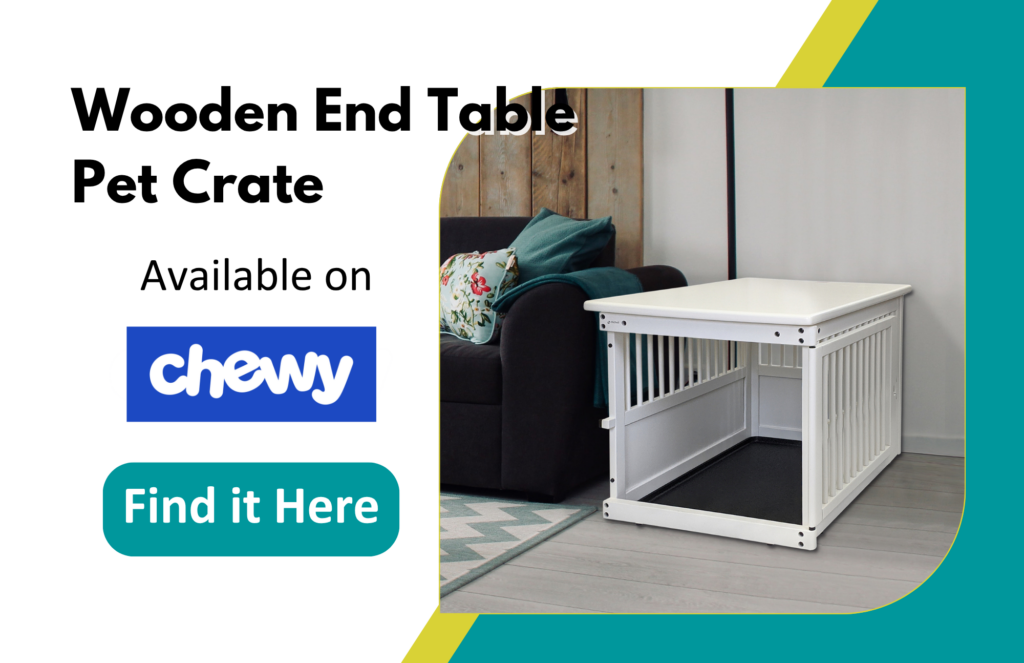
Richell US specializes in pet containment solutions designed with both your dog's well-being and your home's aesthetics in mind. Start your safe space setup with the Expandable Pet Crate in Natural, which grows with your puppy and eliminates the need for constant replacements. Pair it with the One-Touch II Tall Pet Gate to establish boundaries throughout your home—ideal for stairways, doorways, and recovery zones. And if you're looking for a crate that doubles as home décor, the Wooden End Table Pet Crate offers the same safety benefits with a finished, furniture-quality design. Your dog deserves a safe haven.
 |
 |
Hardware-mounted models screw directly into walls or doorframes, making them ideal for high-impact dogs and top-of-staircase installations. Pressure-mounted gates rely on tension, making them excellent options for temporary boundaries or rental properties where drilling into woodwork is restricted.
Incorporate comfortable bedding, include a safe item of clothing carrying your scent, and cover the top and sides of the structure with a light fabric to mimic a dark, secure cave environment. Keep initial confinement periods brief and always reward quiet behavior.
A dependable guideline is matching the puppy's age in months to the maximum number of hours spent inside, up to a limit of four hours. Young animals require frequent bathroom breaks and physical movement to encourage healthy muscle growth and proper social development.
Please complete this form and click "Submit". Our Customer Support team will gladly address your request and respond in a timely manner.
Richell USA, Inc.


Copyright © Richell, Inc.. All rights reserved