



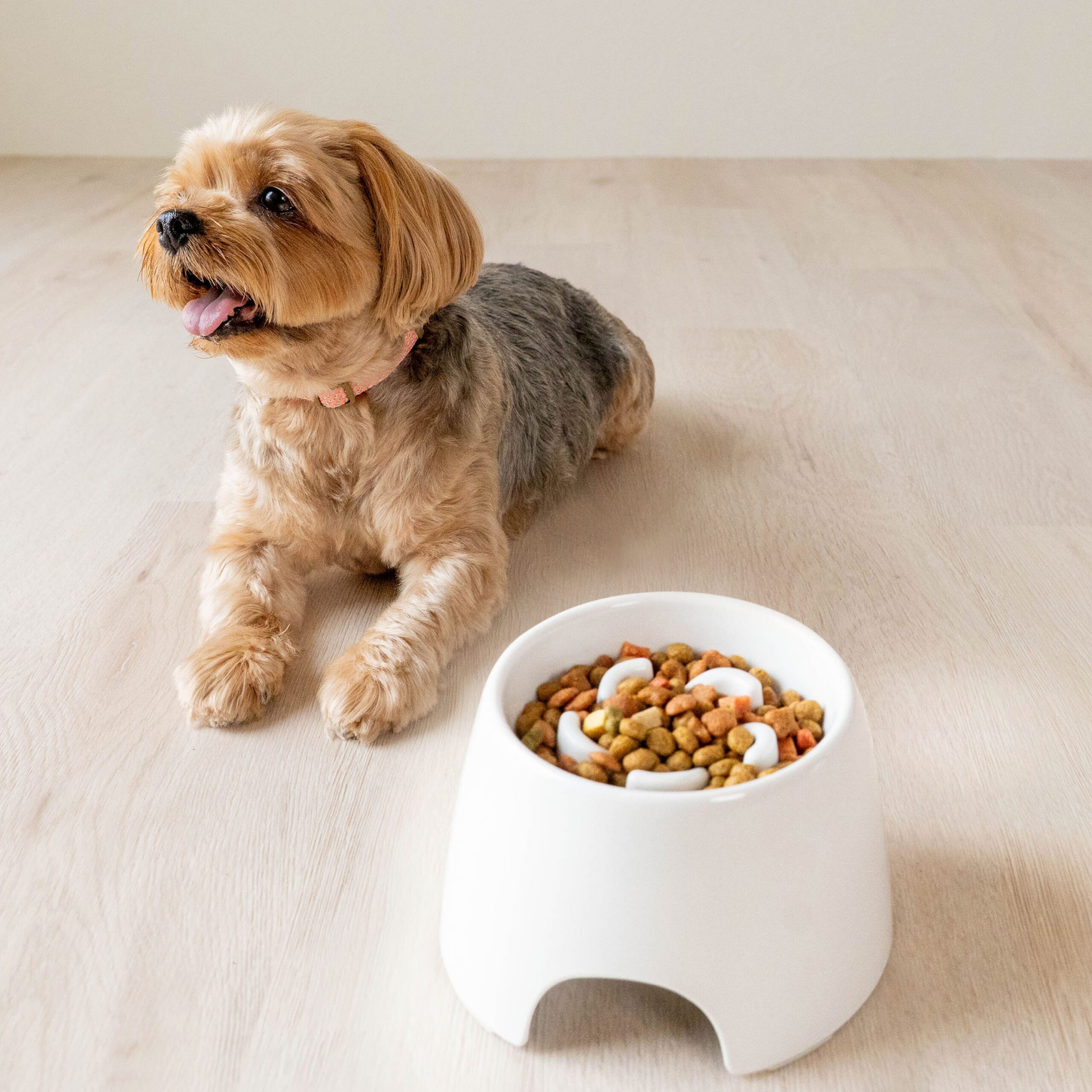
Mealtime — often the highlight of a dog’s day! You can see from their faces and wildly wagging tails that it’s the moment they’ve been waiting for. That sound of the kibble bag opening triggers a frantic race to the kitchen, followed by a meal consumed in seconds.
While enthusiasm for food is usually a sign of a healthy appetite, eating too quickly can lead to significant health complications. Understanding the physiology — how dogs process food, and the risks associated with rapid ingestion — is the first step in protecting your companion’s long-term well-being.
When a dog gulps down their dinner, they aren't just inhaling their food, they’re taking on a significant amount of air. This behavior, known as aerophagia, is a primary contributor to digestive upset. In the short term, it often results in choking, gagging, or regurgitating undigested food immediately after they’ve eaten — all of which can be upsetting for their humans. But it’s the long-term risks that are far more concerning and even sometimes life-threatening.
One of the most serious risks associated with fast eating is Gastric Dilatation-Volvulus (GDV), commonly referred to as bloat. This is a condition where the stomach fills with gas, food, or fluid and twists on itself. This twist traps the contents and can cut off blood flow to the stomach and other vital organs.
GDV is a true medical emergency. Without immediate veterinary intervention, it can be fatal within hours. While certain large, deep-chested breeds like Great Danes or German Shepherds are more prone to it, any dog that eats too quickly is at increased risk.
By slowing down the pace of ingestion, you reduce the amount of excess air entering the stomach, which is a key preventative measure recommended by veterinarians.
Beyond the risk of bloat, speed eating presents immediate physical dangers. Dogs that do not chew their food properly are at a higher risk of choking on large kibble pieces.
That "scarf and barf" phenomenon is a common consequence of rapid eating. When the stomach is overloaded too quickly, the body's natural reflex is to expel the food. This not only deprives the dog of necessary nutrients but also irritates the esophagus over time.
Does your dog exhibit these behaviors during mealtime?
If you checked more than two, it is time to consider a specialized feeding solution.
Using these special bowls, designed to pace your dog's eating habits, offers more than just physical safety. It changes the entire dynamic of mealtime — from a frantic race, to a rewarding and even fun activity.
Slow feeder bowls use internal obstructions — ridges, mazes, protrusions — that the dog must navigate around to get their food, making it impossible to take large gulps.
When a dog eats slowly, they chew more thoroughly. Chewing is the first step of digestion — it breaks down the food into smaller particles and mixes it with saliva, which contains enzymes that begin the chemical breakdown of the meal.
This process, when it occurs properly and naturally, helps the digestive system work more efficiently, ensuring your pet absorbs the maximum amount of nutrients from their high-quality diet.
For many indoor dogs, mealtime is one of their few opportunities for using their natural foraging instincts. A slow feeder is a puzzle for them. It engages their brain as they figure out the best way to extract kibble from the bowl's design.
This mental exercise actually helps reduce boredom and anxiety, which means a calmer dog the rest of the day.
Dogs that eat too quickly may not realize they’re full until they have already overeaten. Just like for us humans, it can take time for the brain to get the “enough” signal from the stomach. By extending the duration of the meal, these satiety signals have more room to kick in, which can help deter dogs from begging and help them keep to a healthy weight.
 |
 |
Not every slow feeder is equally helpful, or suited to your particular dog. While many focus solely on the internal maze, physical posture during the meal is equally important.
Traditional bowls placed on the floor require the dog to crouch and strain their neck, which can be uncomfortable — especially for senior pets or those with joint issues.
Elevated feeders help your dog maintain a more natural, neutral standing position while eating. This reduces strain on the neck and shoulders. When combined with a slow-feed interior, an elevated bowl addresses both speedy ingestion and physical comfort.
Look for materials that are easy to clean and durable for your slow-feeder. Many plastic bowls can harbor bacteria in scratches over time, so high-quality, BPA-free materials or removable stainless steel inserts are preferable.
A non-slip base is also essential. If the bowl slides around the floor while the dog is trying to navigate the puzzle, it can lead to frustration or accidental spills.
Providing for your pet's health requires the right tools, designed with their unique anatomy in mind. At Richell USA, our focus is always on creating objects of functional elegance that support the bond you share with your pet.
Our Raised Slow Feeder Bowl is specifically engineered to address the twin concerns of eating speed and physical posture. By raising the feeding surface and incorporating a strategic interior design, you can mitigate the risks of bloat and indigestion while ensuring your pet remains comfortable.
You can see the design in action and learn more about how it benefits your pet by viewing this short demonstration:
Ultimately, investing in your pet's mealtime experience is an investment in their longevity and happiness. Something that brings them so much joy shouldn’t come with discomfort — give them a chance to enjoy their meal, rather than wolfing it down, and they will thank you!
 |
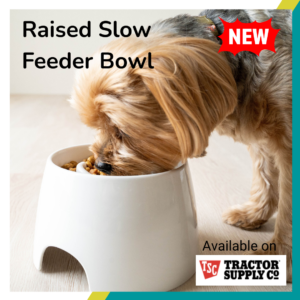 |
A raised slow-feeder bowl provides a dual benefit: slowing down ingestion to prevent bloat, while also improving the dog's posture. Elevating the food reduces strain on the neck and joints, making for a more comfortable and ergonomic mealtime experience.
Yes. When dogs eat too quickly, they swallow air along with their food. This trapped air is a major cause of flatulence and burping. Having to take smaller bites and chew more significantly reduces the amount of swallowed air.
Absolutely. Introducing a slow feeder bowl early in a puppy's life helps with developing healthy eating habits from the start. It prevents the development of "competitive eating" behaviors, and provides early mental stimulation.
Please complete this form and click "Submit". Our Customer Support team will gladly address your request and respond in a timely manner.
Richell USA, Inc.

Copyright © Richell, Inc.. All rights reserved