



All cat owners know summer comes with frustrating pet dander, loose fur balls rolling around the house, and clumps on your floor. Warmer temperatures bring seasonal cat shedding cycles, where pets lose heavier-than-normal coats of fur. More shedding means more claw digging in their rest area — and heavier-tracking debris.
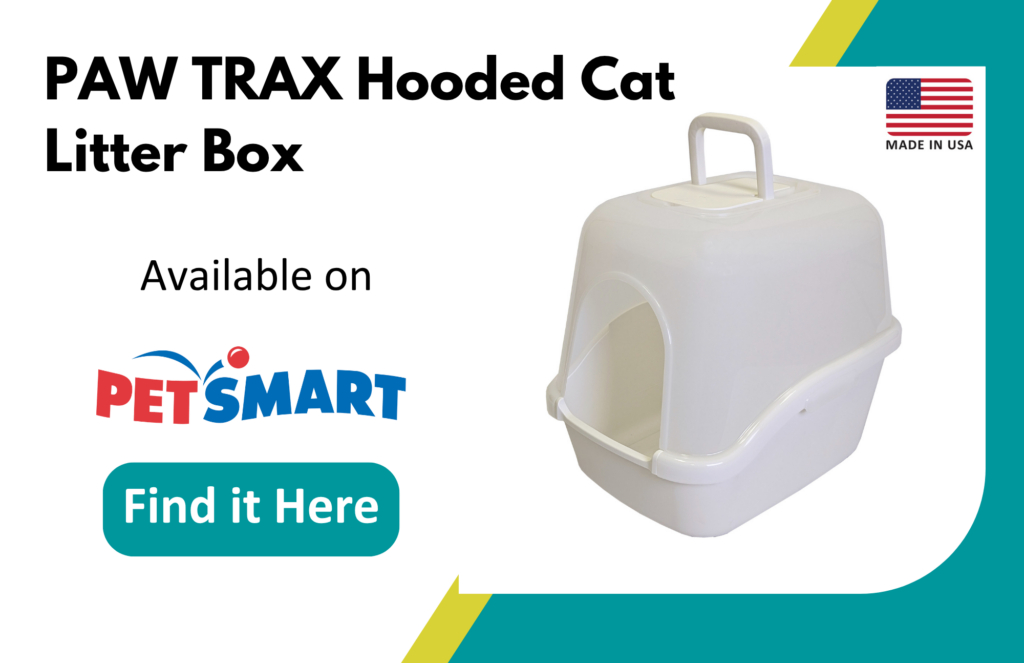
Minimizing litter scatter during the summer means understanding your cat’s shedding cycles and controlling the loose granules they come into contact with daily. Layering preventative litter box placement strategies, a summertime grooming routine, and our featured Paw Trax litter box will help keep your floors pristine.
Warm temps and coat blowing means loose fur collects around your cat’s paw pads and belly. Once inside the litter box and back onto your rug or hardwood floors, fur films statically cling to small dust particles and debris.
You’ll also notice cats tend to clean themselves more often during summer because of air conditioner drying effects. This leaves tiny drops of moisture on paw pads that attract and glue little bits of clay or pine litter to their feet.
Stop tracking by removing factors that allow hairballs and loose granules to spread across your floors. Daily brushing prevents shedding around the litter box, reducing loose particles that fall off your cat during exit missions.
The location of your cat’s litter area plays a significant role in how far granules spread around your home. While it may not seem like an entrance or high-traffic hall litter box would cause concern, cat owners don’t often consider how natural wind flows can whisk dust throughout the home.
Placing litter boxes in a quiet corner with little foot traffic allows your cat to take their time exiting the tray. A startled cat that leaps from their spot will propel tiny granules several feet out of the tray and onto your floors.
 |
 |
Grab a broom and mop before you start: clear a three-foot area surrounding the tray of any existing dust. Sweep away dust and mop the flooring with an all-purpose cleaner. If tiny bits of dust are already coating your floors and finished surfaces, they’ll stick to the sweeping granules that walk off your cat.
Set down a high-grit texture double-layered litter-catching mat in front of the tray. The non-skid texture should extend forward no less than two feet from the tray opening. Your cat should take a minimum of two steps on the bi-level scraper before reaching carpet or hardwood flooring.
Just like humans shed more during the summer, your cat’s undercoat will release extra hairs each day. Brush your cat daily to reduce the amount of loose hair that will find its way into the litter tray and mat around your cat’s paws. Use a wire slicker brush or rubber grooming brush.
Pour litter down until the entire surface is covered by two to three inches of loose material. If you add too much, cats will dig out unwanted waste more aggressively and send litter flying past the tray walls. If there’s not enough, the litter will pack down when wet and stick to paw pads.
Slim, sleek litter trays look stylish but are highly ineffective at controlling litter scatter. Your cat digs backwards to hide waste and cover their scent. When their claws hit the walls of low-sided containers, granules explode outwards at rapid speeds.
Installing top-entry or high-sided litter boxes sends all blasted aside, bouncing off walls and falling straight down into the tray. Positioned correctly, your cat won’t kick granules onto the cleaned floors around their box.
 |
 |
Believe it or not, weekly thorough cleans won’t help with light, daily litter scatter. Quick habits twice a day will help you maintain a lighter litter load and prevent your cat from tracking small amounts across your carpet.
Let Richell USA hook you up with incredible built-in storage bunk beds that fit your space and keep debris where it belongs. When you're remodeling or building a world with less maintenance in mind, partner with a company that only carries made-in-the-USA products. We specialize in featuring paw trax litter boxes with taller walls to contain scatter and tuck away unsightly litter trays.
From made-in-USA litter boxes (we offer XL sizes & many other styles) to stylish gate inserts, our online store provides heavy-duty items made to impress. Browse our collection of storage beds and pet accessories that add dimension and charm to your home.
 |
 |
A: Keeping your cat’s litter box located in an interior corner minimizes air currents that pick up loose dust. A corner basin with a double-entryway catching system is one of the best ways to trap litter directly from your cat’s paw pads.
A: Loose hair from your cat collects static energy as they brush against your furniture and carpet. Higher-sided containers will prevent tracking by blocking the reach of your cat’s feet. This means less energy going into kicking and throwing litter out of the tray.
A: By taking a few minutes each night to tidy up around your cat’s litter area, you reduce the likelihood that friends and family will step on tracked litter. Cleaning your cat’s designated bathroom daily is the best method to avoid scattering debris across your kitchen.
Please complete this form and click "Submit". Our Customer Support team will gladly address your request and respond in a timely manner.
Richell USA, Inc.


Copyright © Richell, Inc.. All rights reserved