



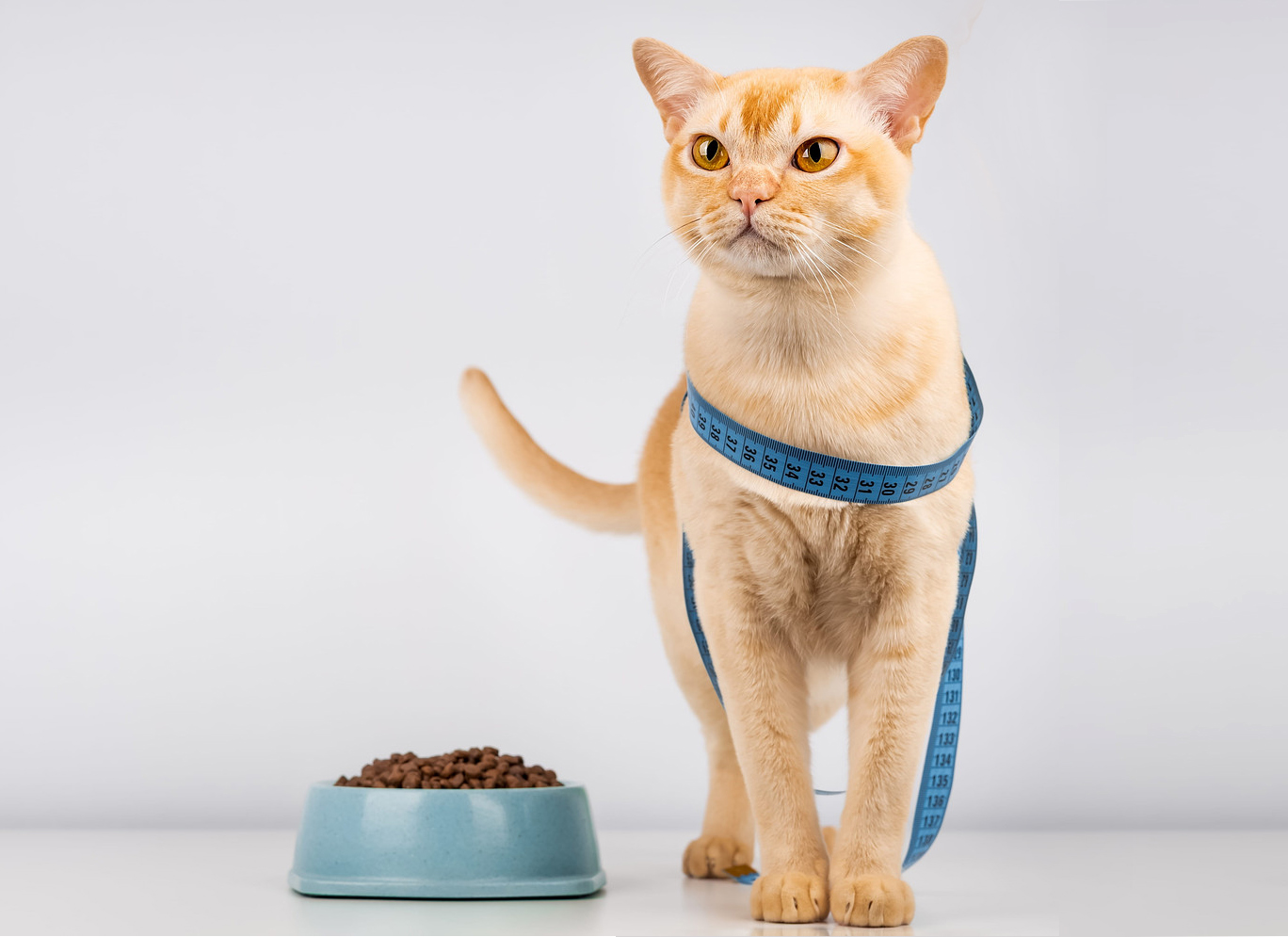
Pets love food. We love to make our pets happy. These two things add up to an issue sometimes. Dropping those extra few Cheerios into your dog’s bowl when they’re staring up at you with big, loving eyes feels great. You feel connected.
But your dog likely won’t feel great. That handful you just gave him is extra work for his heart, kidneys, liver, and every other system in his body. And while your pup’s chubby little waist may not seem like a cause for concern — he looks so cute! — carrying that extra weight drastically changes how he experiences life.
Tracking your pet’s calories isn’t about restricting food — it’s about helping your pup enjoy as many healthy, active years with you. Let’s talk about portion control, and how to accomplish it — especially when your pets act like they’re starving 24/7!
While pet parents might notice a puppy slowing down on walks as their weight creeps up, your dog’s body is being negatively impacted far ahead of when you notice it. A dog gains weight when they take in more energy than they burn off — the unused energy is stored in the body as fat. Fat is technically an organ that produces harmful, inflammatory molecules called cytokines. Portion control is also one of the first lines of defense against inflammation.
Extra weight causes excess pressure and wear and tear on your pup. Every pound of extra weight forces their hips, elbows and spine to work harder. Gradually, all that extra wear takes its toll and arthritis sets in. An overweight dog won’t want to play or run because it physically hurts. So they get trapped in a vicious cycle of weight gain and slowing down.
Keeping a careful eye on how much you’re feeding your dog each day is one of the best ways you can lessen the physical impacts of obesity.
Just as obesity exacerbates the joint issues dogs are prone to, it has serious health implications for cats. However, because cats have evolved into strict meat eaters, their weight gain is far more dangerous.
Cats thrive on frequent meals of high protein and low carbohydrates. Unfortunately, most cat parents either free-feed or overserve carbohydrate-rich kibble.
When your cat has too much fat on their frame, their body becomes resistant to insulin. Feline obesity can cause a once-healthy cat to experience wide swings in energy due to Type 2 diabetes.
Like dogs, overweight cats don’t always show it in their demeanor. But if your cat gains too much weight over any amount of time, they can develop deadly hepatic lipidosis (fatty liver).
Talk to your vet about how to safely get your cat back down to ideal weight by increasing their protein percentages and carefully managing their portions.
For senior animals, weight management is often the best care you can provide. An overweight animal’s joints suffer degeneration and inflammation, but this all can be improved if your dog returns to their ideal body weight.
If your dog has a harder time getting up in the morning or takes forever to settle down at night, it might be time for a diet. Taking just 5% off of your pet’s current weight will noticeably increase the range of motion they’re comfortable performing. Ask your vet for ways you can safely help them lose weight.
 |
 |
You may have noticed the feeding instructions on the back of every bag of dog food are different. That’s because they’re averages. Most don’t take into account your dog’s specific metabolism, age or activity level
Calorie management should start with a few simple calculations based on what your dog should weigh, not what they currently weigh.
Getting your pet down to a healthy weight starts with what’s in your pet’s food. Most cheap dog foods use ingredients like corn, wheat, or soy as filler. Digesting these foods causes a rapid rise and drop in blood sugar, leaving your pup starving and lethargic minutes after consuming a large meal.
Think of it this way: Your pet isn’t obese because they’re hungry. They’re hungry because they’re obese.
Try transitioning your pet to a higher-protein diet, with more fiber. High-fiber foods allow nutrients to slowly enter your pet’s bloodstream, keeping them full and energized for hours. Not only will you notice your pet sleeping less, they’ll require more movement to burn off those excessive calories.
Take a look at your pup from three different angles.
As pet parents ourselves, we know how rewarding it is to watch your dog grow. Ensuring they have a comfy bed to sleep in at every stage of their life is just one piece of the puzzle. Feeding your pet is a daily task that requires careful attention and safe storage.
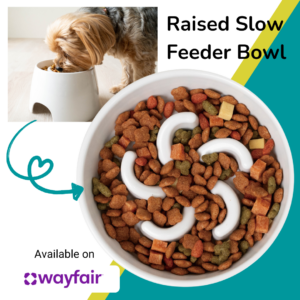
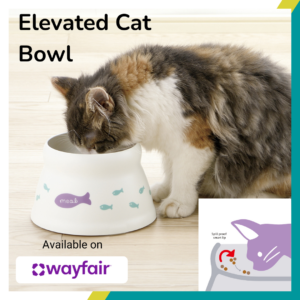
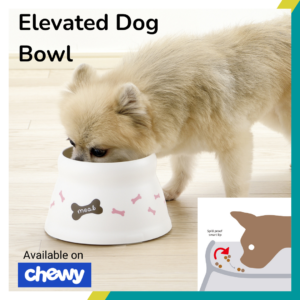
Richell USA’s feeding and storage solutions — like our shallow, raised portion-control bowl and slow-feeder puzzle bowl — are designed to help you keep track of those day-to-day tasks without breaking the bank or sacrificing style.
 |
 |
Senior dogs process food more slowly and have weaker joints. Helping your dog maintain a healthy weight will decrease pressure on his skeletal system and lower overall inflammation.
Carrying excess weight causes insulin resistance in your cat. This means their energy comes and goes throughout the day due to diabetes. A healthy weight will balance their sugars and help them to be active once again.
Start tracking how much food your pet eats in a day and where those extra calories are coming from. Meanwhile, contact your vet about your pet’s ideal body weight and get their help to calculate your pet’s RER. Use that information to decide the amount of food that suits their activity level.
Please complete this form and click "Submit". Our Customer Support team will gladly address your request and respond in a timely manner.
Richell USA, Inc.

Copyright © Richell, Inc.. All rights reserved