



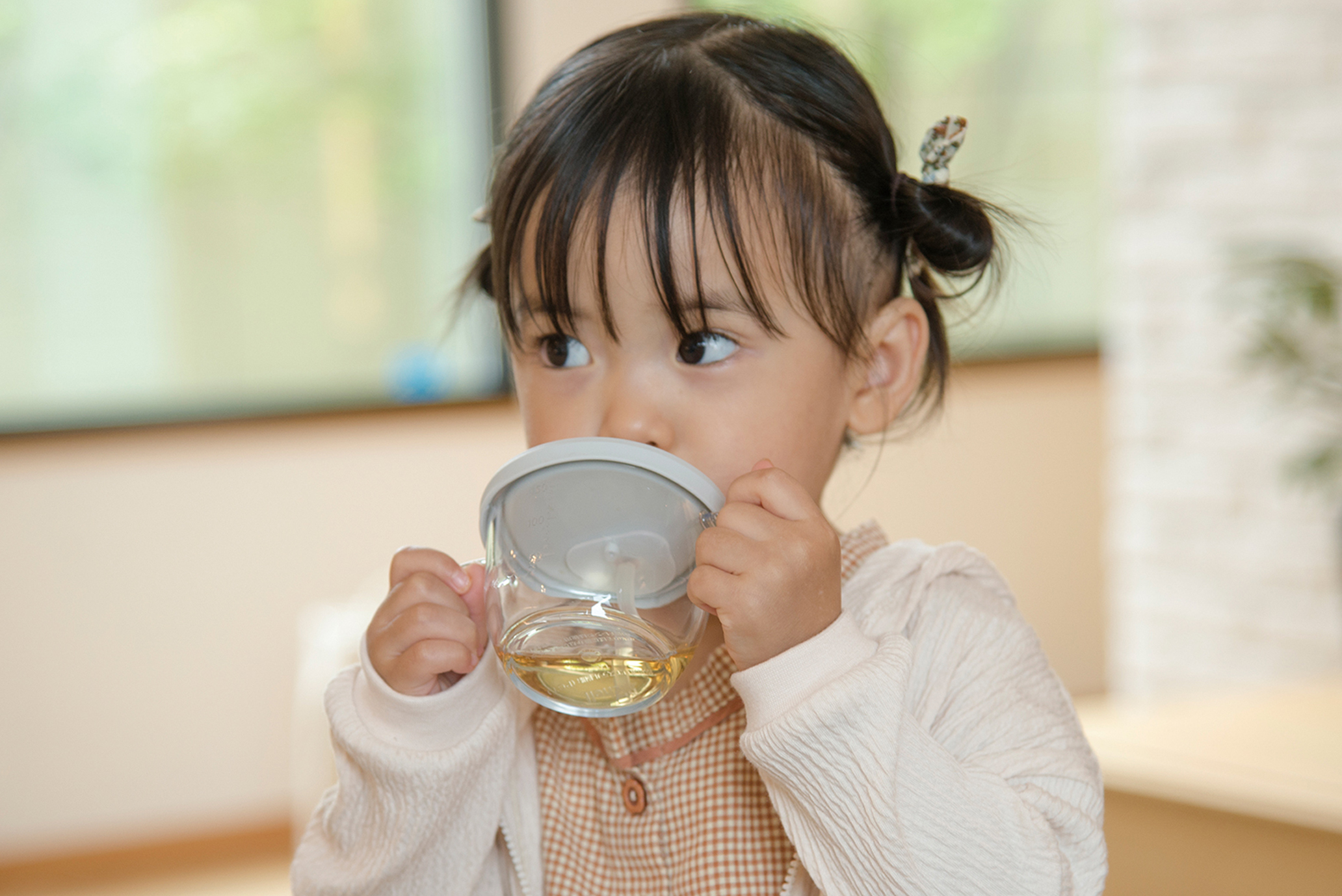
Welcome, parents, to one of the most significant, and sometimes challenging, milestones in your little one's journey: the great transition from the bottle to the sippy cup. We know this rite of passage is filled with questions, a few spills, and a whole lot of love. You've navigated sleepless nights and celebrated tiny triumphs, and now, a new chapter of independence is dawning for your child. It’s a step that fosters crucial developmental skills, from hand-eye coordination to oral motor strength. But where do you start? With a sea of cups on the market and a toddler with a will of their own, this transition can feel overwhelming.
That's where we come in. Richell believes thoughtful design can transform tricky transitions into joyful journeys. We've spent countless hours observing, learning, and creating baby products that solve real-world parenting problems. In this comprehensive guide, we'll walk you through every aspect of this important stage. We'll explore the 'when' and 'why' of making the switch, help you navigate the different types of cups available, and share practical, supportive advice for overcoming common hurdles.
Most importantly, we're thrilled to introduce you to our unique solution, the Push Flow Training Sippy Cup, a product specifically designed not just to hold liquid, but to actively teach your child the skills they need for confident, independent drinking. Let's embark on this exciting journey together.
Moving on from the bottle is about much more than just changing the vessel your child drinks from. It's a fundamental step forward in their development. For years, organizations like the American Academy of Pediatrics have advised parents on the importance of this switch, typically recommending starting the process around 6 months and aiming to be off the bottle entirely by 12-18 months. But why is this so important?
First, it's about oral motor development. Sucking from a bottle involves a relatively simple tongue movement. Drinking from a sippy cup, especially one with a straw or a spoutless rim, requires more complex coordination of the tongue, lips, and jaw. These new movements help strengthen the muscles needed for speech development. Think of it as a workout for your little one's mouth, preparing them for clearer pronunciation down the road.
 |
Second, there are dental health considerations. Allowing a child to have a bottle for extended periods, especially at naptime or bedtime, can lead to liquid pooling around their newly emerging teeth. Sugars from milk or juice can contribute to tooth decay, often called "baby bottle tooth decay." Transitioning to a sippy cup, which is typically used more intentionally during meals and snack times, can significantly mitigate this risk.
 |
Finally, and perhaps most visibly, this transition is a huge leap toward independence. Holding their own cup, deciding when to take a sip, and mastering the mechanics of drinking gives your toddler a powerful sense of accomplishment. It’s a clear signal to them (and to you!) that they are growing up, becoming more capable, and ready to take on new challenges. This newfound confidence is a precious building block for their burgeoning personality.
 |
While age guidelines are helpful, the most important factor in starting the bottle to cup transition is your child's individual readiness. Every baby develops at their own pace. Instead of focusing solely on the calendar, we encourage you to look for these developmental cues:
● Good Head Control and Sitting Skills: Your child should be able to sit up well, either independently or with minimal support. This stability is crucial for them to safely manage holding a cup and swallowing.
● Showing Interest in Cups: Have you noticed your little one reaching for your water glass or watching you intently as you drink? This curiosity is a fantastic sign that they are mentally ready to try something new.
● Losing Interest in the Bottle: Some toddlers begin to naturally lose interest in the bottle, drinking less or becoming easily distracted during bottle feedings. This can be a perfect window of opportunity to introduce an exciting new alternative.
● Mastering Solid Foods: If your baby is successfully eating purees or solids from a spoon, they have already begun developing the oral coordination needed to manage liquids from a source other than a bottle.
Once you start noticing these signs, typically between 6 and 9 months, you can begin to introduce a sippy cup. The key is to make it a fun, low-pressure experience.
Walking down the baby aisle can be dizzying. Spouts, straws, handles, no handles—the choices are endless. Understanding the basic types can help you find the best sippy cup for toddlers and their specific needs.
● Soft Spout Cups: These are often the first step away from the bottle. The spout is soft and pliable, mimicking the feel of a bottle nipple, which can make the transition easier for some babies.
● Hard Spout Cups: These are more durable and stand up well to teething babies. They require a different sucking action than a bottle, encouraging new muscle development.
● Straw Cups: Cups with straws are highly recommended by many feeding specialists and dentists because they promote a more mature swallowing pattern. The child learns to use their lips and tongue in a way that is very similar to how they will drink from an open cup. This is a skill they will use for the rest of their lives.
● Spoutless (360-degree) Cups: These cups have a flat, valved lid that allows a child to drink from anywhere around the rim, much like an open cup, but without the big spills. They are an excellent final step before graduating to a regular cup.
Each type has its place, and you may find your child prefers one over another, or you might use different types for different situations. For example, a simple spout cup might be great for water at home, while a truly leak-proof straw cup is essential for the car. This brings us to the features that truly matter. When choosing a cup, we suggest looking for one that is spill-proof, made from BPA-free materials, has easy-to-grip handles for little hands, and, crucially, is an easy to clean sippy cup. Nothing is more frustrating than a cup with a dozen tiny parts that are impossible to scrub.
We've listened to parents and observed toddlers, and we used that knowledge to design cups that are not just functional, but genuinely helpful. We know that life with a toddler is busy and often messy, so our products are designed to make things just a little bit easier.
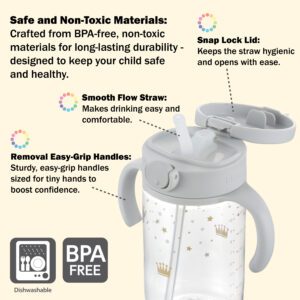
Life doesn't stop for sippy cup training. For trips to the park, visits with grandparents, or just a busy day of errands, you need a cup that is reliable, simple, and leak-proof. That's the philosophy behind our On-the-Go Sippy Cup. We designed it with a simple, secure lid that prevents those dreaded leaks in your diaper bag. The shape is perfect for small hands to hold, and its straightforward construction means it's incredibly easy to clean. It’s the kind of dependable, no-fuss product that becomes an essential part of your daily toolkit, promoting toddler hydration without the hassle.
 |
While the On-the-Go cup is your trusty companion, our Push Flow Training Sippy Cup is your expert teacher. We noticed a common point of frustration for both parents and toddlers: the concept of a straw. A child who has only ever used a bottle doesn't instinctively know that they need to suck on a straw to get liquid. They might chew on it, blow bubbles in their milk, or simply give up in frustration.
We asked ourselves: "How can we show them how it works?"
The answer is our innovative push-flow lid. The Push Flow Training Sippy Cup is more than a cup; it's a multi-stage training system designed to actively guide your child toward independent drinking skills. It bridges the gap between understanding and action, turning a moment of potential frustration into an "aha!" moment of discovery. It’s the perfect tool to help your child learn to use a straw.
Let's break down how this unique training system works. We've designed these sippy cup training steps to be intuitive and progressive, meeting your child where they are and gently guiding them to the next level of independence.
Step 1 | The "Aha!" Moment — Introducing the Push
The magic begins with the soft, silicone lid. You’ll notice a small, marked spot on it. When your child is ready to take a drink, you gently press this spot. This action pushes a small amount of air into the cup, which in turn pushes a little bit of liquid up through the straw and into your child's mouth.
This is the game-changer.
Instead of your child sucking and getting nothing, they immediately get a small reward. They taste the water or milk and instantly make the connection: "This straw thing is where the drink comes from!" You can repeat this a few times until you see the look of understanding on their face. This simple, assisted action demonstrates the straw's function in a way that words never could.
Step 2 | From Assisted Push to Independent Pull
Once your child understands that the straw delivers the drink, their natural instincts will start to take over. They will begin to suck on the straw at the same time you are pushing the button. Soon, they will start trying to suck on their own, anticipating the liquid. As they get stronger and more confident, you’ll find you need to push the button less and less. They are now transitioning from the assisted "push" to an independent "pull," or suck. They are officially learning how to use a straw, and you were their co-pilot the whole way.
Step 3 | Mastering the Straw and Graduating to an Open Cup
With consistent practice, your child will fully master drinking from the straw without any assistance from the push-flow feature. They will have developed the oral motor skills and coordination to drink confidently. But the journey with the Push Flow Training Sippy Cup doesn't end there. We designed it for longevity. Once your toddler is a straw-drinking pro, you can remove the lid entirely. The cup base, with its sturdy, easy-grip handles, transforms into the perfect trainer cup for learning to drink from an open rim. This final step completes the entire transition, from bottle to straw to open cup, all with a single, intelligently designed product.
Even with the best tools, you may encounter a few bumps in the road. This is completely normal. Here’s how to navigate some common challenges with patience and positivity.
● Our Advice: Don't force it. Stay calm and try again later. Let them play with the empty cup first to get familiar with it. Try putting something extra delicious in it (like a small amount of diluted juice) for the first few tries to make it more appealing than the bottle, which only has milk or formula.
● Our Advice: This attachment is emotional. Start by phasing out daytime bottles first, replacing them one at a time with the sippy cup. The naptime and bedtime bottles are usually the last to go. You might need to introduce a new comfort object, like a special stuffed animal or blanket, to take the bottle's place in their bedtime routine.
● Our Advice: This is often a test of cause and effect. Stay neutral. Calmly pick up the cup and say, "Cups are for drinking, not for throwing." If it continues, you can end the meal or snack time for a few minutes. They will quickly learn that throwing the cup means the drink goes away.
The journey from the bottle to the cup is a beautiful and important one. It's a path marked by your child's growing independence, developing skills, and blossoming confidence. While it requires patience and consistency, it doesn't have to be a source of stress. By understanding your child's readiness, choosing tools that are designed to teach rather than just contain, and approaching the process with a spirit of fun and encouragement, you can make this transition a resounding success.
We are proud to offer baby products like the On-the-Go Sippy Cup and the revolutionary Push Flow Training Sippy Cup, designed to support you and your child through this milestone and beyond. We believe that with the right tools and a little guidance, you can empower your little one to take this big step with a happy, confident sip.
Ready to make the sippy cup transition a joyful and successful experience? Explore the innovative features of the Push Flow Training Sippy Cup and browse our full line of thoughtfully designed baby products at Richell USA today. Let's celebrate this milestone together!
The best time to start is when your child shows signs of readiness, typically between 6 and 9 months of age. Look for developmental cues like good head control, the ability to sit up unassisted, and an interest in watching you eat and drink.
The Push Flow Training Sippy Cup is unique because it's a training system, not just a cup. Its special lid allows a parent to push a small amount of liquid up the straw, actively showing the child how a straw works. This feature helps prevent frustration and speeds up the learning process for independent drinking.
If your toddler is refusing a cup, try to make it a low-pressure, fun experience. Let them play with the cup when it's empty. Model drinking from it yourself with enthusiasm. Start by offering it for short periods with a favorite beverage. For a tool-based approach, our Push Flow Training Sippy Cup provides guided sippy cup training steps by actively helping them understand the mechanics of a straw, which can overcome this common hurdle.
 |

Follow us on Instagram
Please complete this form and click "Submit". Our Customer Support team will gladly address your request and respond in a timely manner.
Richell USA, Inc.


Copyright © Richell, Inc.. All rights reserved